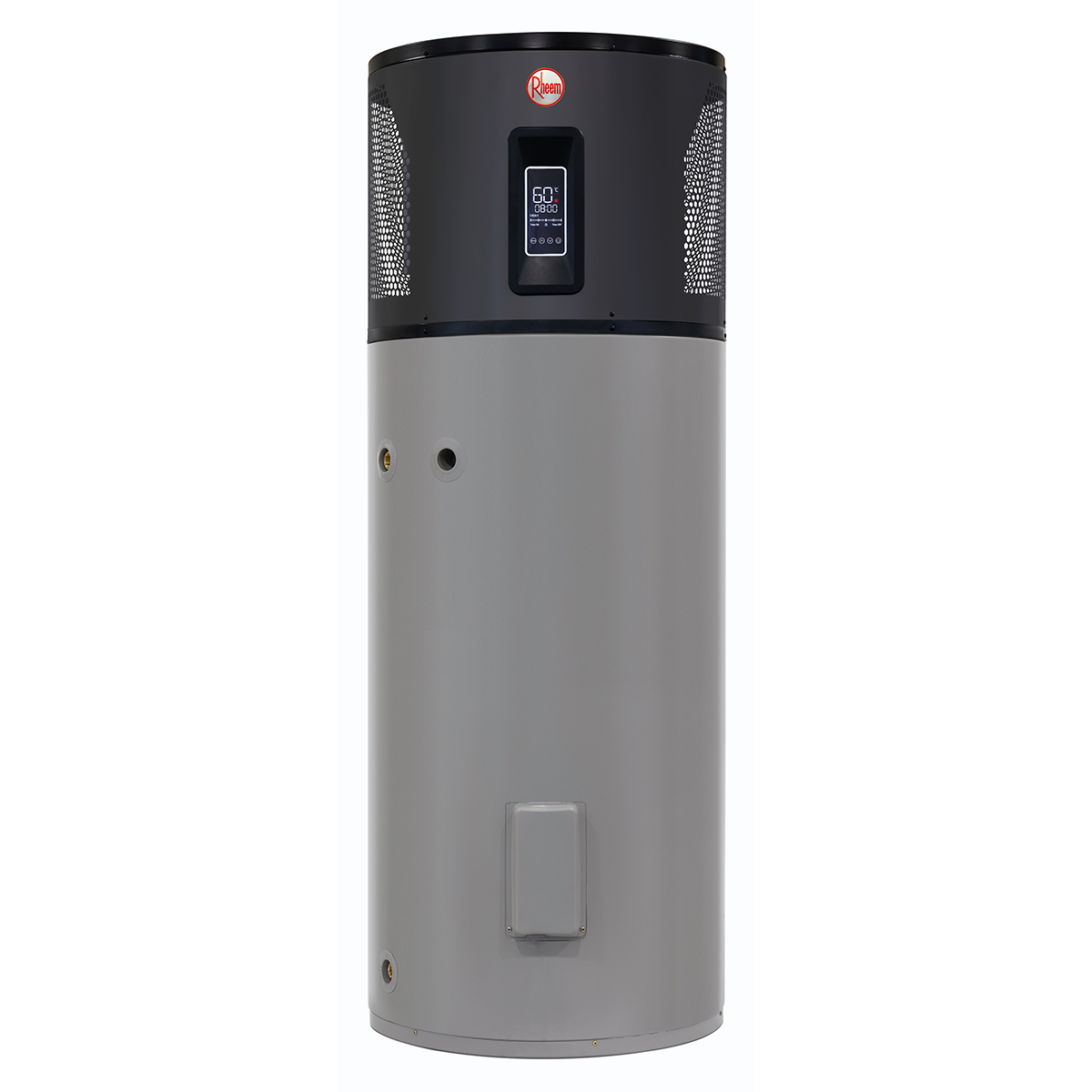


Why Heat Pumps Are Awesome
A heat pump differs from a standard electric hot water system by extracting existing heat from the surrounding air and transferring it to your water. This process uses a refrigerant cycle, similar to how a refrigerator keeps cool, but in reverse to heat water efficiently. For each unit of electricity consumed, the pump typically transfers two to three units of heat to the water, making heat pumps significantly more cost-effective than conventional electric systems.
Performance in Queensland's Climate
Heat pumps excel in mild to warm climates, making the Sunshine Coast an ideal location. The warmer the ambient air, the more efficiently the system operates. Unlike solar hot water systems that rely on direct sunlight, heat pumps can function effectively even on overcast days, provided the air temperature is reasonable. In Queensland's climate, heat pump systems consistently deliver strong performance throughout the year with minimal seasonal variation.
Space and Installation Requirements
Heat pump units are typically installed outdoors or in a well-ventilated area such as a garage. Proper airflow around the unit is crucial for efficient heat extraction; inadequate ventilation can impair performance. The unit produces some noise during operation, similar to a reverse cycle air conditioner, so it's important to consider its placement in relation to bedrooms and neighbors. A plumber or architect can offer advice on the best location based on your property's layout.
Government Rebates and Incentives
Heat pump hot water systems qualify for Small-scale Technology Certificates (STCs) under the federal government's Small-scale Renewable Energy Scheme. These certificates hold financial value, often applied as an upfront discount on the system's price. The number of certificates, and thus the discount, is determined by the system's efficiency rating and your location. In Queensland, this rebate can reduce the installed price by several hundred dollars. Additionally, some state government rebates may be available depending on current programs.
Running Costs: What to Expect
A heat pump hot water system generally costs between $300 and $500 annually for an average household, whereas a standard electric storage system can cost $700 to $1,000 or more. The actual expenses depend on your electricity tariff, household size, and the system's efficiency rating. If you have rooftop solar, operating the heat pump during daylight hours can further reduce costs, as it utilizes your solar power instead of drawing from the grid.
Is a Heat Pump Right for Your Home?
Heat pumps are suitable for most homes on the Sunshine Coast. Key factors to consider include the available outdoor space for the unit, the noise level in relation to living areas and neighbors, and your existing electricity setup. If you're replacing an old electric storage system, a heat pump is often a worthwhile option. Allied Plumbing offers installation services for heat pump hot water systems throughout the Sunshine Coast and Noosa. For a quote, call 0428 411 487 or visit alliedqld.com.au.